


Summary
-
The iPhone 18 Pro starts at $1,199. Its most useful improvements are a more flexible camera, longer battery life, and better performance during demanding tasks.
-
The iPhone 18 Pro Max has the same main camera system as the smaller Pro. Its larger screen and longer battery life cost an additional $100.
-
The $1,999 iPhone Duo is Apple’s first folding iPhone. It opens into a small-tablet-size screen, but it is expensive, heavy, and lacks the Pro models’ dedicated telephoto camera.
-
AirPods 5 bring active noise cancellation to Apple’s open-ear earbuds starting at $129.
-
Apple Watch Series 12 adds more frequent health measurements and a daily readiness score. Apple Watch Ultra 4 combines the same health features with much longer battery life.
-
iOS 27 arrives September 14, and many of its most interesting features will also work on compatible older iPhones.
The fact that Apple introduces new iPhones every year does not mean you need to buy one every year. A 20 percent improvement over last year’s model can sound unimportant, especially when your current phone already works well. But most people are comparing a new iPhone with one that is several years old. If the same measurement improved by 20 percent over four generations, those gains would compound to a little more than twice the starting point. Real phones and real tasks do not improve that evenly, but the example explains why several modest annual changes can add up to a meaningful upgrade.
iPhone 18 Pro and iPhone 18 Pro Max

Image: Apple
- Starting price: iPhone 18 Pro $1,199; iPhone 18 Pro Max $1,299.
- Preorders begin Saturday, September 12, at 5 a.m. Pacific/8 a.m. Eastern.
- Deliveries begin Friday, September 18.
- Both sizes come in black, silver, glacier, and burgundy.
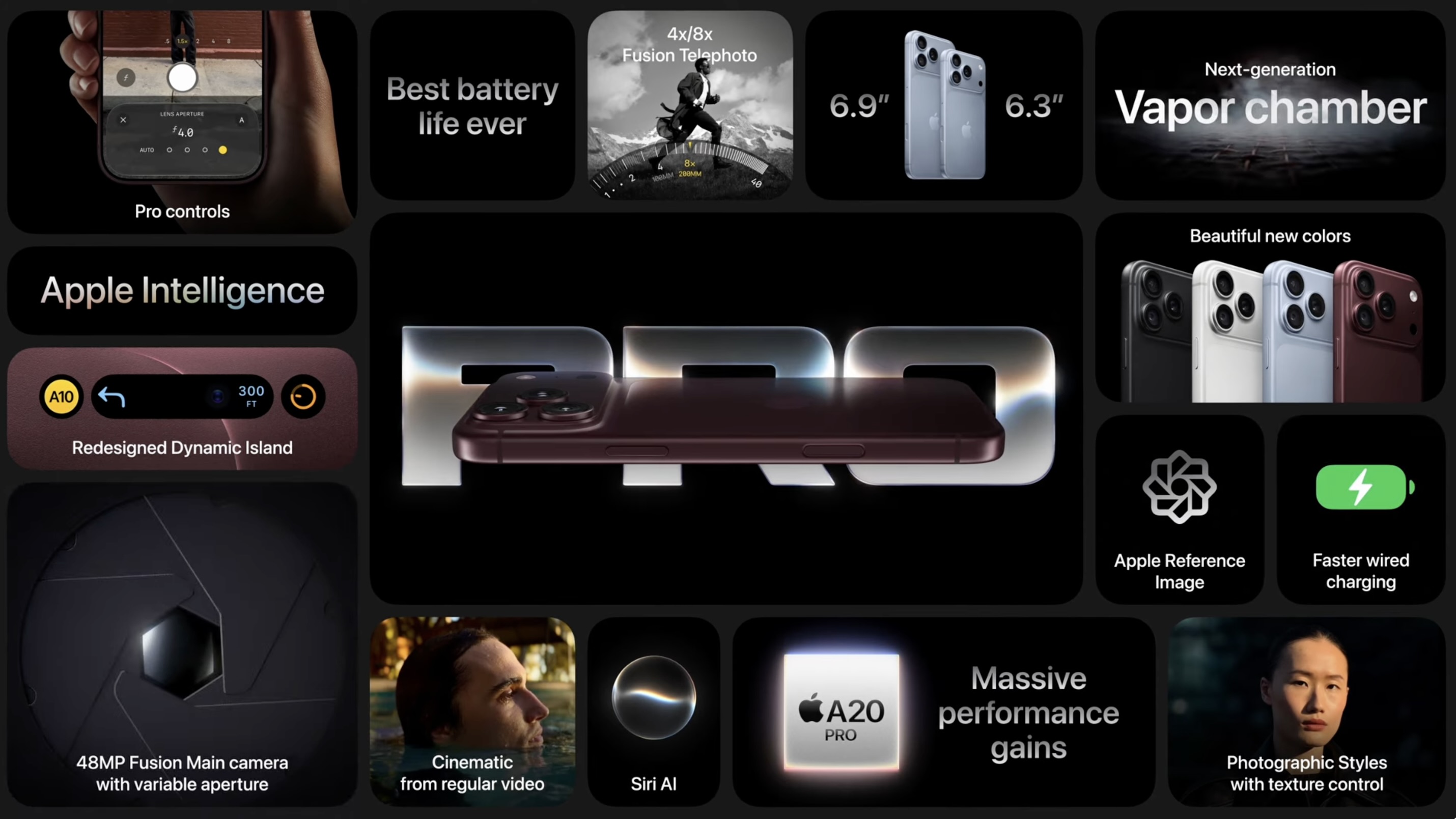
The camera is the most practical change. Its variable aperture automatically adjusts light and depth of field, which should help with low-light pictures and group photos. Photographers can take manual control, while everyone else can continue to point and shoot.
Smart Focus Tracking can keep a moving person or pet in focus even if the subject briefly leaves the frame and comes back.
Both models have three rear cameras, including a dedicated 4x telephoto camera. Apple also offers an 8x “optical-quality” option by cropping the camera sensor.
The A20 Pro chip and redesigned cooling system should help the phones maintain performance during games, video work, intensive camera use, and on-device Apple Intelligence tasks.
Both sizes have the same main camera system. The regular Pro is the more practical choice if you want those improvements in a smaller phone. The Pro Max adds a 6.9-inch screen and longer battery life, increasing Apple’s typical-use estimate from 24 to 30 hours, but it is larger, heavier, and $100 more.
iPhone Duo

Image: Apple
- Starting price: $1,999.
- Preorders begin Friday, October 16, at 5 a.m. Pacific/8 a.m. Eastern.
- Deliveries begin Friday, October 23.
- It comes in star white and night sky colors.
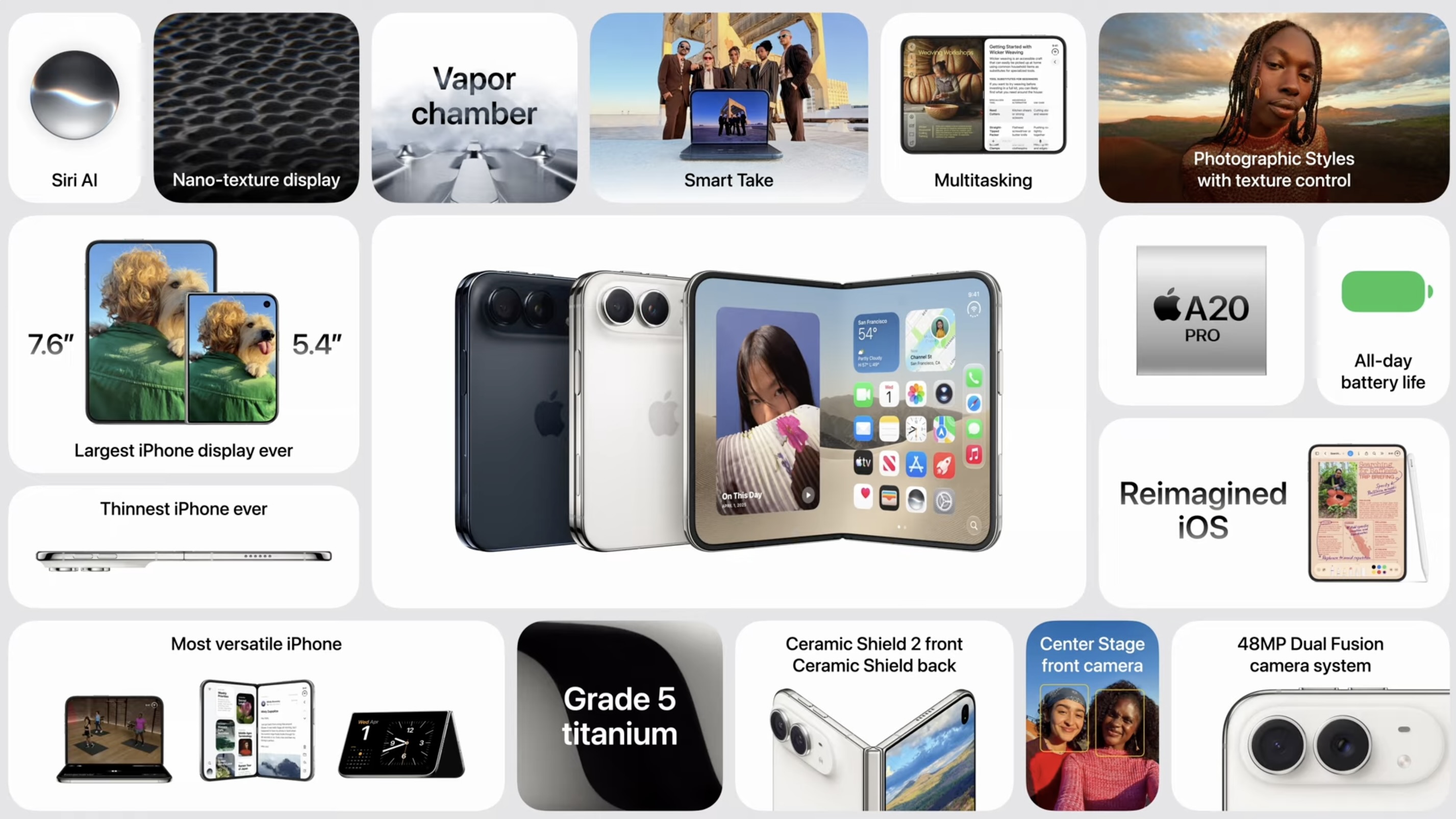
The iPhone Duo is Apple’s first folding iPhone. Closed, it has a compact 5.4-inch outer screen. Open it, and you get a 7.6-inch inner screen that is closer in size to an 8.3-inch iPad mini. You can put two apps side by side, save pairs of apps you often use together, or open two windows of a supported app. That could make it easier to read an email while checking your calendar, compare travel details, or type notes while referring to an article.
The phone can also sit partially open like a tiny laptop or tent for video and StandBy. Folding-specific camera features can show your subject a preview or help include the people around you in a call.
Apple estimates up to 24 hours of typical mixed use when the inner and outer screens are used equally.
There are meaningful compromises. Duo is 5.2 mm thick when open, but 11.3 mm thick when folded and heavier than either Pro model. It uses Touch ID instead of Face ID and has two rear cameras without a dedicated telephoto. Its rear-camera system most closely resembles the standard iPhone 17’s, with newer processing and folding-specific features.
Duo also lacks an Action button and physical mute switch. Apple says the inner display’s nano-texture makes the crease less noticeable, but real-world use will tell us more about its visibility and durability.
The Duo is for someone who sees real value in carrying a larger reading, viewing, or multitasking screen that folds into a pocket. At $1,999, waiting for hands-on experience is sensible.
AirPods 5

Image: Apple
- Starting price: $129.
- AirPods 5 are available September 18.
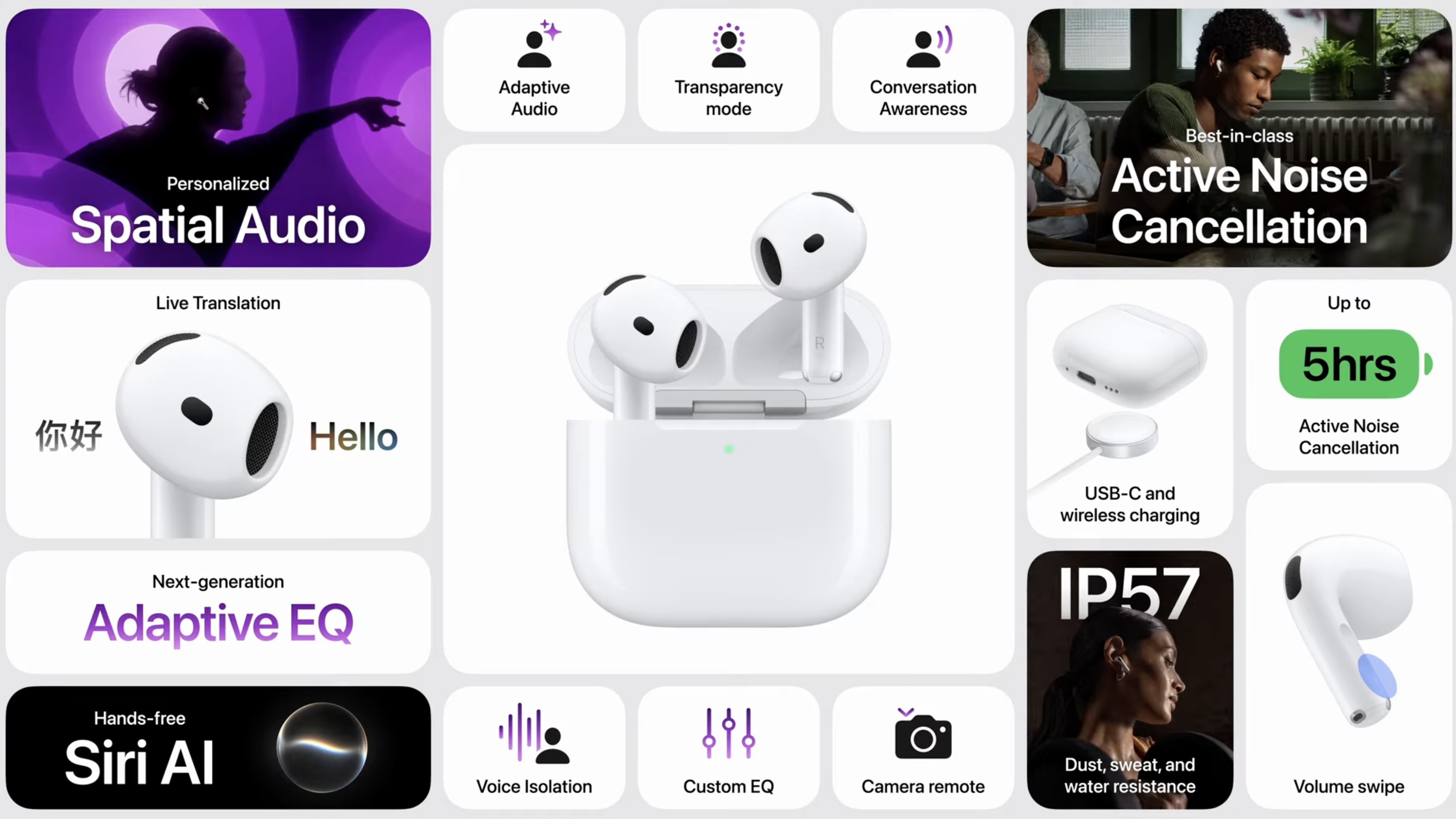
Both versions include active noise cancellation in Apple’s open-ear shape, making them interesting for people who dislike the sealed feeling of AirPods Pro.
The $149 version adds wireless charging, slightly longer battery life, and swipe volume controls.
Fit remains personal, and an open design will not isolate you from noise in the same way as AirPods Pro.
Apple Watch Series 12

Image: Apple
- Starting price: 42 mm $399; 46 mm $449 (Aluminum, GPS).
- Orders are open now.
- Deliveries begin September 18.
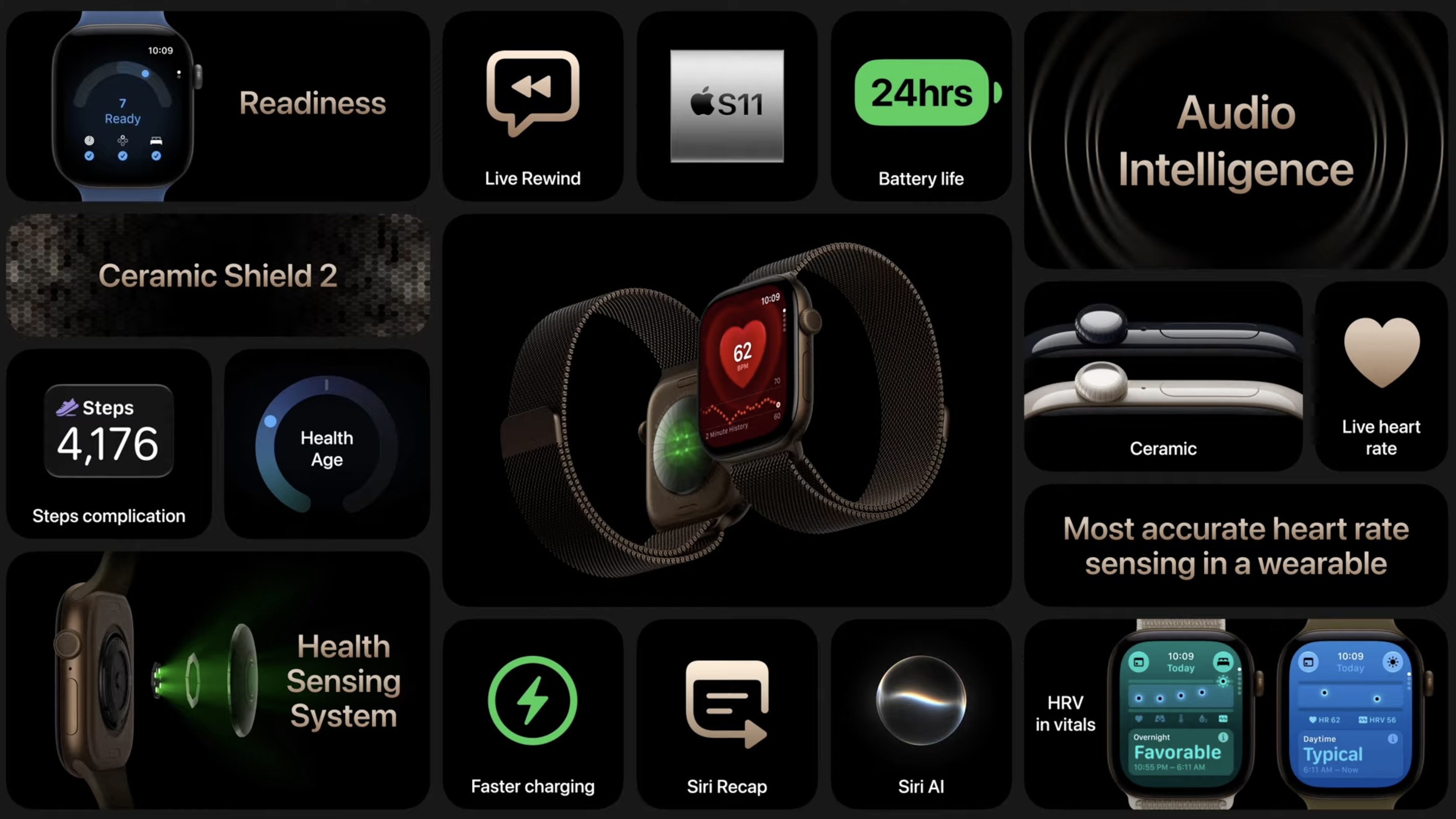
The main change is a health-sensing system that measures heart rate and heart-rate variability more frequently. It combines activity, sleep, and other measurements into a readiness score from zero to ten, giving you a quick sense of whether to push harder or take it easier.
Apple estimates 24 hours of normal battery life, making overnight sleep tracking more practical.
Apple Watch Ultra 4

Image: Apple
- Apple Watch Ultra 4 starts at $799 with a 49 mm titanium case and cellular capability.
- Orders are open now.
- Deliveries begin September 18.
- It comes in natural or black titanium, and some band choices cost more.
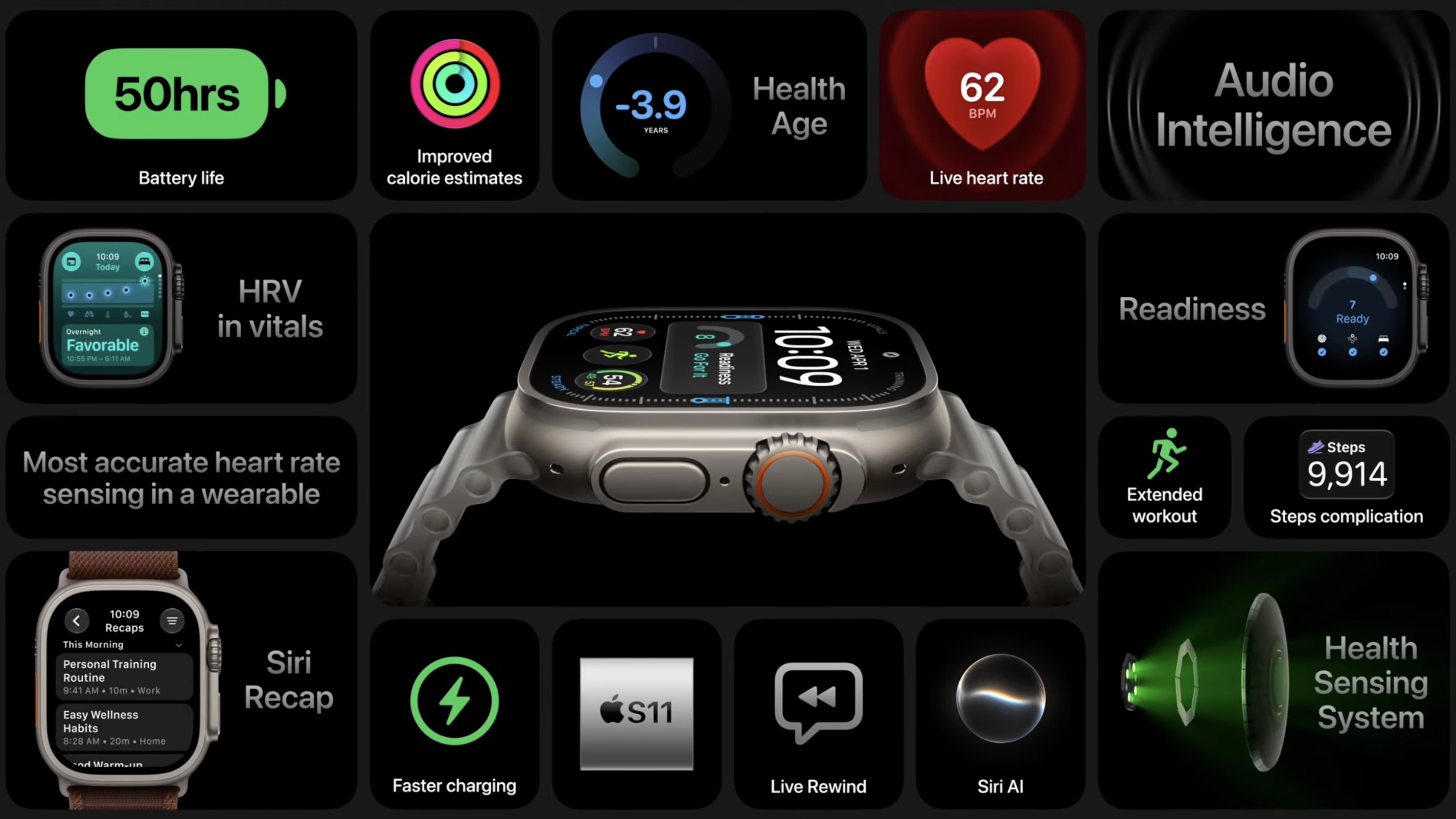
Ultra 4 has the same health-sensing system and readiness score as Series 12. Its practical advantages are the larger, rugged case and up to 50 hours of normal battery life.
That battery, brighter screen, and advanced GPS make sense for outdoor workouts and travel. If you mainly want the new health features, Series 12 costs half as much and is less bulky.
Other details
-
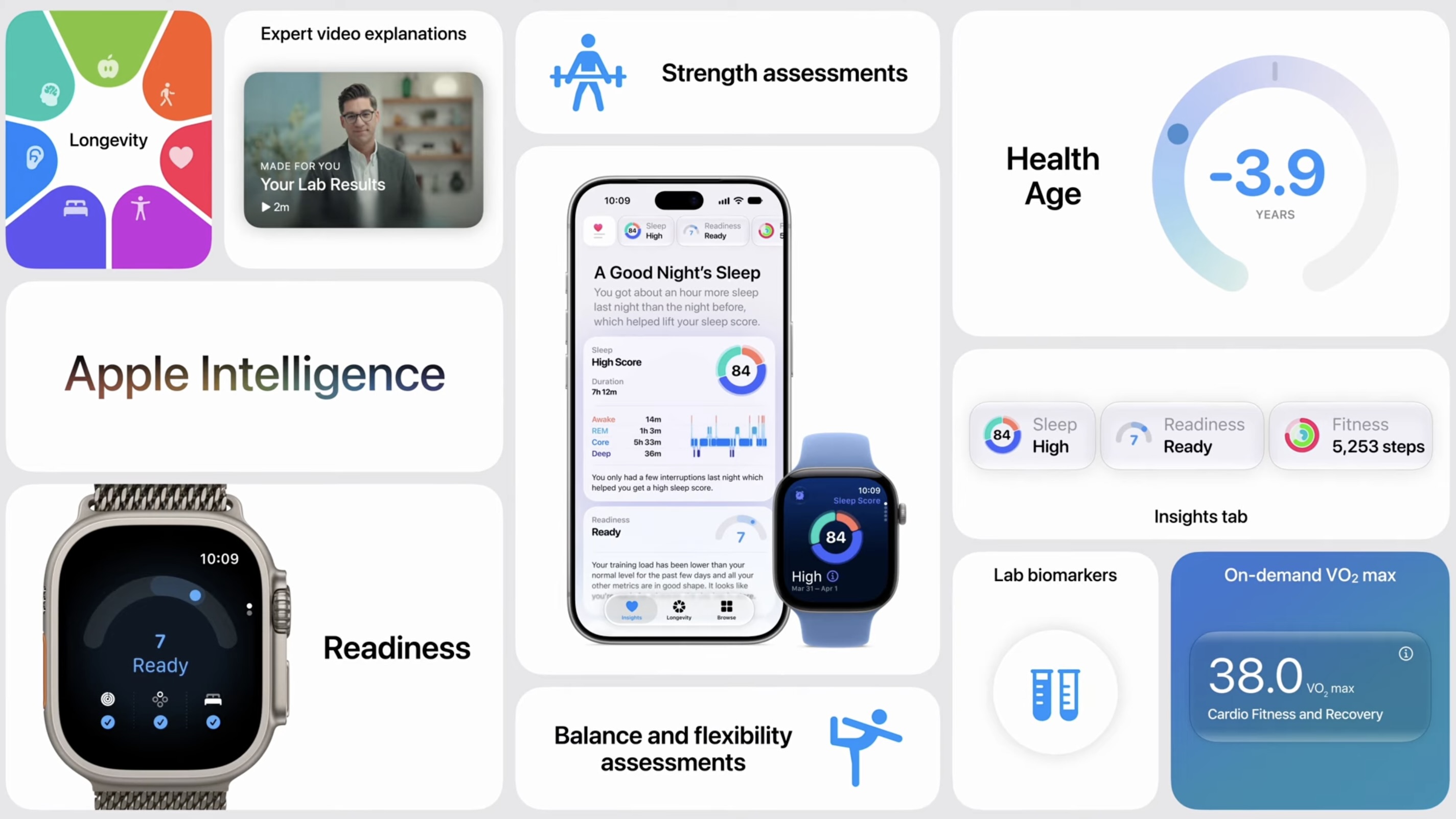
Version 27 software: Many features reach compatible older devices September 14.
-
Older iPhones: Carried-over models now cost $100 more.
-
Trade-ins: Apple lowered maximum values for older iPhones.
-
Accessories: New cases, wallets, and straps are available.
-
Satellite features: Some iPhone 14–16 users get another free year.
-
AppleCare One Family: Six people for $49.99 monthly.
-
Apple One: Eligible buyers get three months free.
-
Health: Health Age and movement assessments arrive later.
-
Not announced: No standard iPhone 18, HomePod mini, or Apple TV.
Should you upgrade?
Nothing announced creates an automatic reason to replace a device that still serves you well. The question is whether several years of changes solve a problem you already have.
My general recommendation is:
-
Power users, people who want the best camera, or want the latest features: every year or two. Even though a new iPhone can cost $1,000 or more, you still get a fantastic trade-in on your old phone, especially for the first couple of years.
-
Average users: every 3 to 4 years.
-
Low capacity users, people who need a smartphone but don’t really care or give much thought to it: every 5 to 6 years. As long as it’s still getting security patches from Apple and it meets your needs, there is nothing wrong with staying back.
The iPhone 18 Pro is most relevant for someone coming from an older iPhone who wants a better camera and battery. The Pro Max adds screen space and battery, not a better main camera. Duo offers a genuinely different experience, but its $1,999 price and physical trade-offs make waiting for hands-on experience sensible. But of course I plan to get one.
Apple Watch users rarely need to upgrade unless there is a specific new feature you want, your battery can’t make it through a day, or it’s no longer supported by your phone.
AirPods 5 make sense if you prefer an open-ear fit and want noise cancellation. Series 12 brings the new health features at half the Ultra’s price, while Ultra 4 is for longer battery life, outdoor use, and a rugged case.
If you want help comparing one of these products with what you already own, I offer one-on-one tech tutoring in San Francisco and Washington DC, plus Zoom sessions anywhere. Book a session, and I will help you choose a model, check your storage needs, and move your information without buying more than you need.