


If someone sends you a calendar invite but you don't receive it, there is a chance it's a very particular problem with a not-so-obvious solution. You likely have an iCloud account, but you do not have iCloud Calendar enabled on your devices. When the sender sends an invite from their own iCloud calendar, Apple's system sees that you (the recipient) are also on iCloud, so instead of sending you an email, Apple puts the invite right in your Calendar program. It's very convenient if you are using iCloud Calendar. The problem is if you don't use iCloud Calendar (maybe you're using Google Calendar or Yahoo Calendar instead), that invite never gets to you and just hangs out in your iCloud account.
To fix the problem, the easiest way is to turn iCloud Calendar on in your settings. Just go into your iCloud settings on each of your devices and turn it on.
However, if you don't want an additional calendar system or if you want to have these invites in your email so they can go into the calendar system you already use, there is another way.
On an iPhone running iOS 17 or later or an iPad running iPadOS 17 or later, you can choose to receive iCloud Calendar invitations by email:
- Open Settings and tap your name, then iCloud.
- Tap Show All, then iCloud Calendar.
- Tap Send & Receive. Under Receiving, choose Email.
This choice applies across your devices using the same Apple Account. Apple describes the current options in its iCloud Calendar invitation guide.
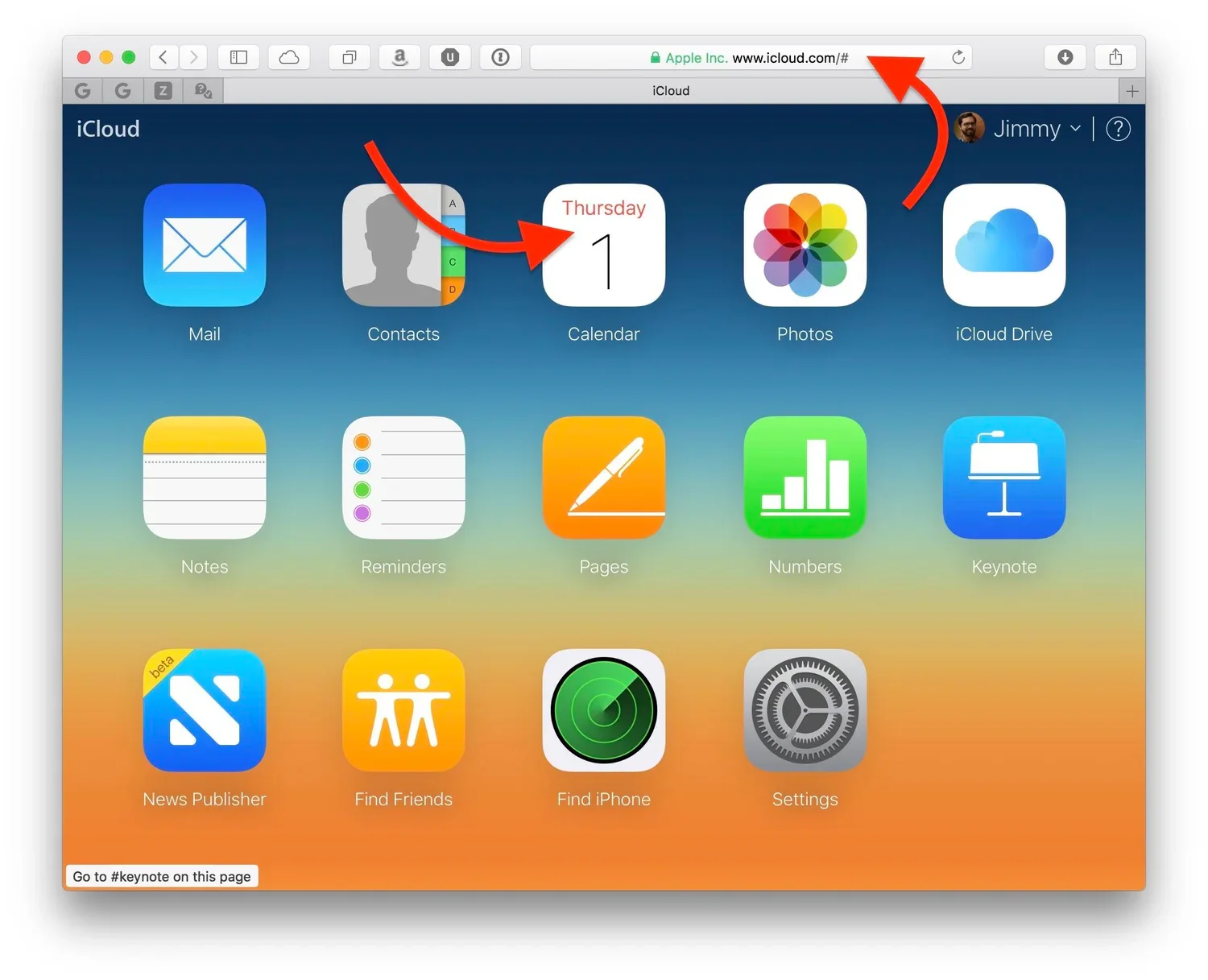
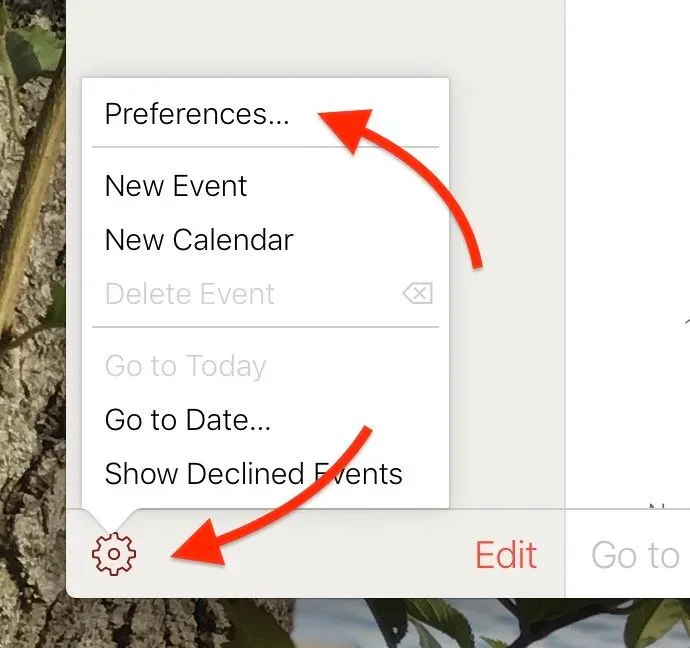
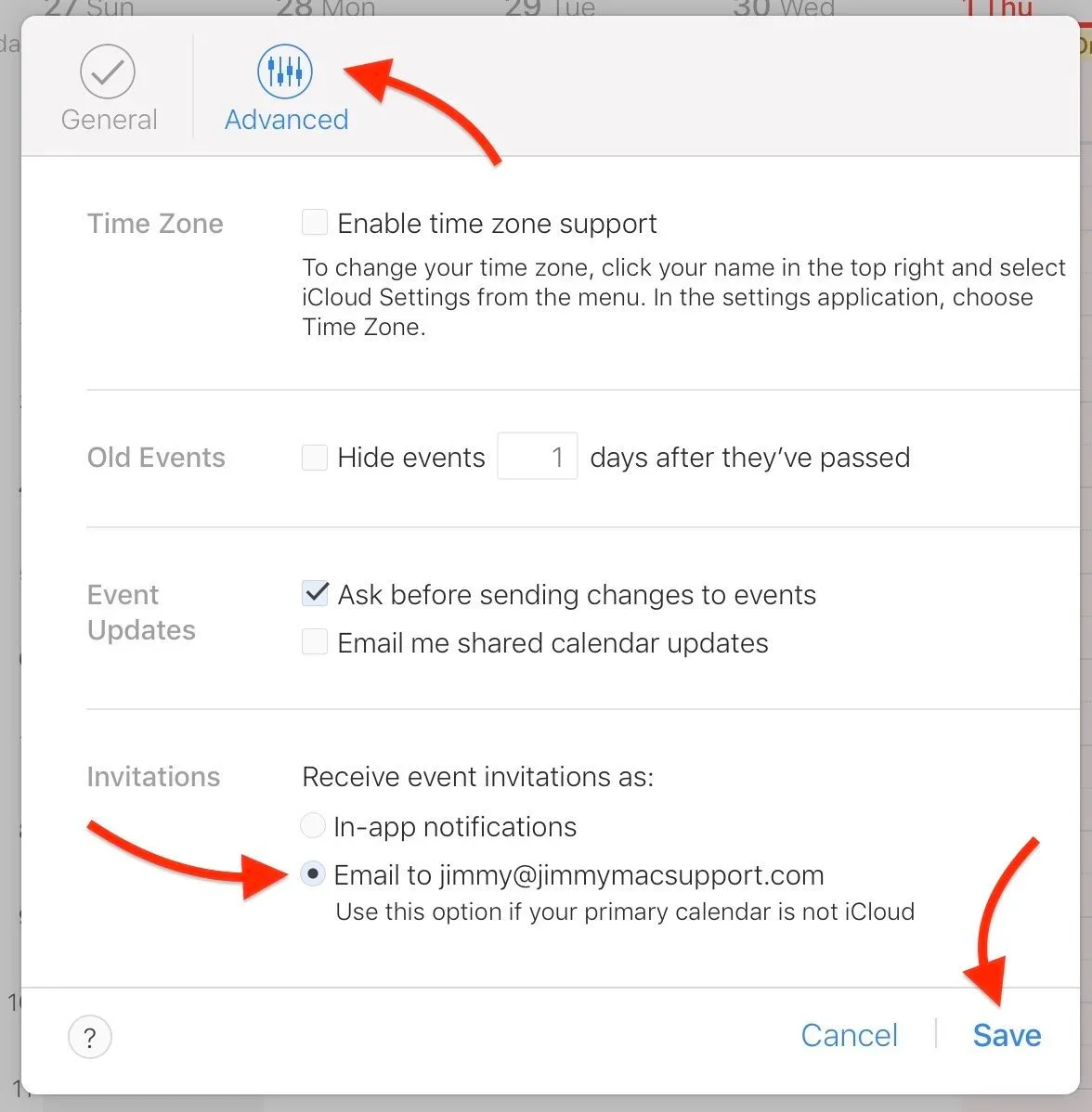
The screenshots below show the older iCloud.com interface used when this article was first published in 2016; its gear menu and Advanced tab are not the current iPhone or iPad steps.
Hopefully, someday Apple decides to implement a feature that will create email invites if they detect that your devices aren't using the Apple Calendar system. Until then, this is what you'll have to do.